by Krista | Feb 6, 2020 | Summer
A gentle rain is falling softly and I’m looking out from the back veranda at what has been for so long an endless stretch of dry, parched ground void of any plants or grass. Now it is a sea of dark, damp earth with islands of bright green grass and wild herbs slowly but surely getting bigger as they inch towards each other. I hope that one day it will all be green again, the soil restored, the land healed, recovered, and vibrant.
I hope the same for myself. No, I don’t want to be green, but I will love to be healthy, recovered, and vibrant. That is my dearest wish in spite of everything life has hurled at me over the past year.
I had hoped that would begin at Christmas, but instead, I caught an uncommon virus that robbed me of my voice for most of the past 6 weeks and gave me blinding headaches, nausea, and caused me to randomly tip over thanks to inflammation of the inner ear. After finally getting through the hospitalization, cancer, surgery, and recovery of last year, the arrival of this virus was a kick in the gut. Combined with severe drought, the threat of bush fires, and all the difficulties those events entailed, it has been a rough time.
In the past, I would’ve downplayed how hard it has been, quickly shifting to all the good things I’ve learned through it. But not now. Hard is hard, pain is pain, and when life is difficult there is no sense in pretending otherwise. It’s right and good to be sad about sad things, to be discouraged and frustrated and overwhelmed. I know I won’t stay that way. I know that after the weep and the whinge and the woe-is-me-ness, I will take a deep breath (or ten) and feel better and braver. My courage will return, I’ll find light in my darkness, and I’ll be able to make something beautiful in the midst of the awful.
And I am.
The virus is a weird one. My doc told me it is nasty and lasts a long time but that it ebbs and flows until it finally ebbs away completely. Somehow, this helped me. Knowing that I would have a few good hours or even a good day now and then made all the difference because I could plan happy things for those good moments, little adventures that would comfort and delight me and make all the bad stretches easier to bear.
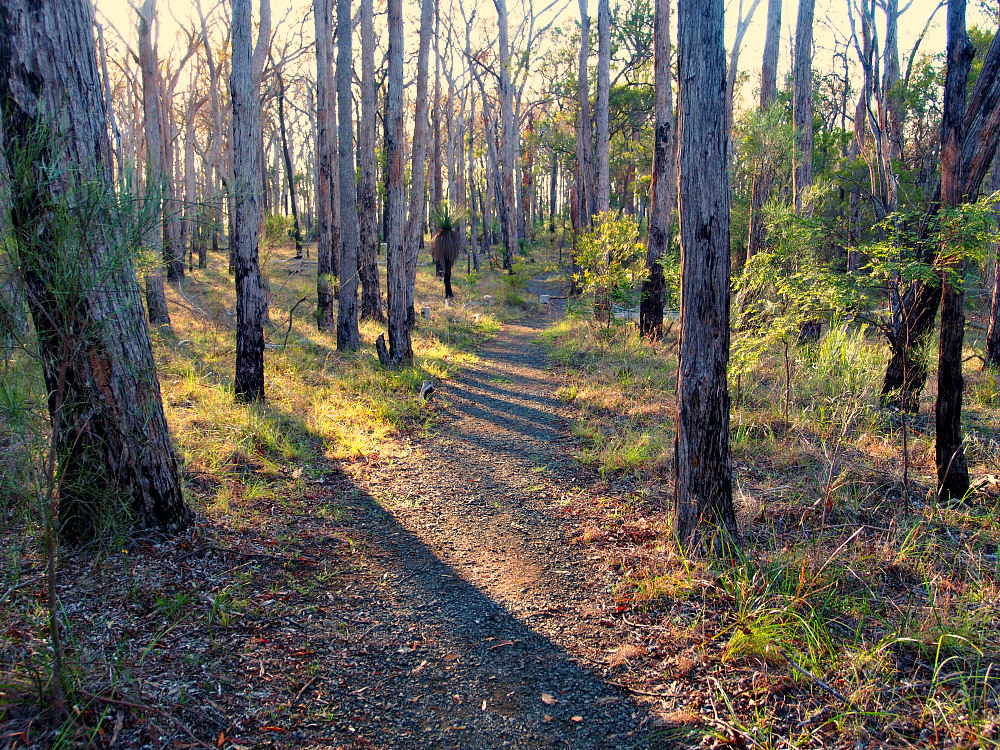
Since those moments have been scarce and unpredictable I wanted to make the most of them, so I wrote a list of things I love best that didn’t require any talking. At the very tip-top was being outside – forest, mountains, water – and that is what I planned for. When the good moments came, I was ready.
- I put my hiking gear within easy reach.
- I kept my car filled with petrol so it was always ready for last-minute adventures.
- I researched hiking trails in our region and made a list of options according to my strength levels.
- Not Much – sit on a bench in the rainforest.
- A Little – 15-minute walk to a mountain stream.
- Pretty Darn Good – 1-hour trek through the bush.
Being voiceless and ill for so long can be terribly lonely and isolating, but getting out in nature, taking pictures of beautiful places, feeling strength return to a body that has been through the wars, makes a huge difference. Even a few minutes can yank me back from the brink of self-pity and grief and remind me of all that is good and wonderful and worth fighting for.
Bit by bit I’m getting better. 8 months ago I was stuck in a hospital bed unable to stand, walk, or even sit up by myself. 6 months ago I had my head cut open to remove cancer. A few weeks ago I stopped falling over and regained my balance. Last week I did my first solo hike in the mountains. 4 days ago I got my voice back, albeit a bit raspy and creaky. I’m deeply grateful for this progress and look forward to the day my head incision finally heals, my muscles are strong, and the last vestiges of this virus disappear.
In the meantime, I continue to embrace a quiet life.
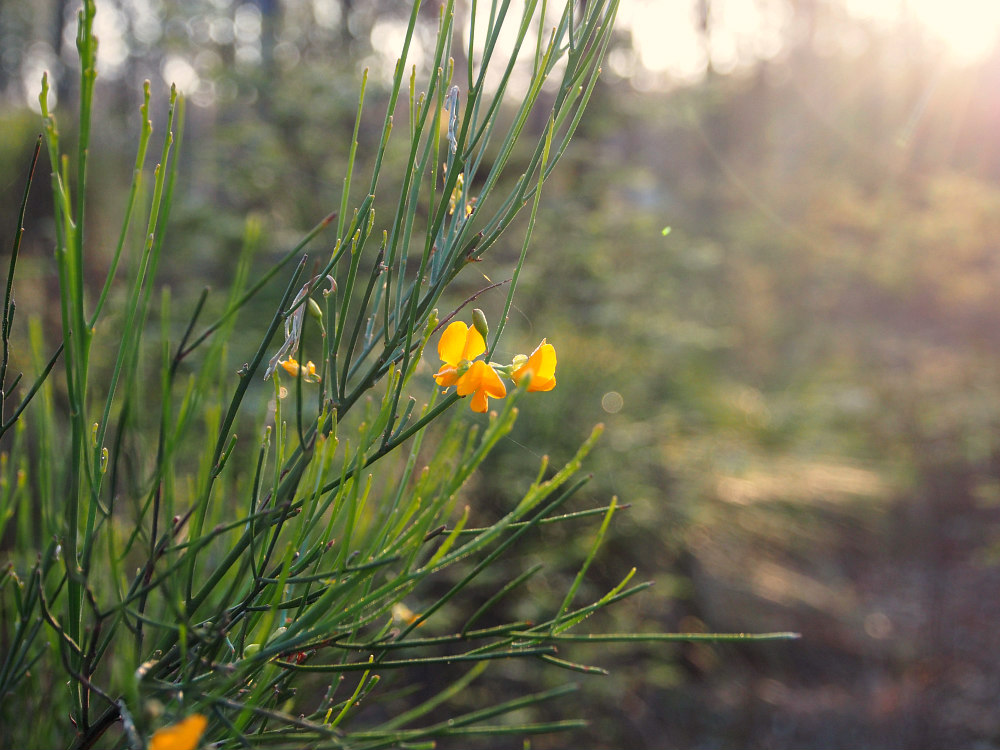
Even though my voice has returned, the doc said to use it as little as possible so it can heal completely. I cherish silence in ways I never did before. After the initial frustration and discomfort of not being able to communicate verbally, I now enjoy our very quiet days of naps and book-reading, bird-watching and drives in the country. I’ve heard all sorts of new stories from Bear since he’s the only one who’s been able to talk, and it’s rather nice to hear him tell me all the details of his day and the projects he’s tackling and dreaming about. I’m getting pretty good at charades-style communication, much to Bear’s amusement and total confusion and I’m thankful to lovely friends who don’t mind doing non-verbal things with me like going to the movies, reading together, and going for walks.
We are deeply grateful to friends far and near who have supported us so kindly and faithfully over this past year. We are eternally grateful for the money you’ve sent to help keep our farm going while we hope and wait for the rains to come and end this horrible drought. You have comforted and cheered us through your emails, texts, and care packages, given us hope when we were hanging on for dear life, and shown us what true love and friendship look like. When I look back on this incredibly difficult year, it is your love and care that I remember most clearly.
by Krista | Dec 6, 2019 | Summer
My work is loving the world.
Here the sunflowers, there the hummingbird –
equal seekers of sweetness.
Here the quickening yeast; there the blue plums.
Here the clam deep in the speckled sand.
Are my boots old? Is my coat torn?
Am I no longer young and still not half-perfect? Let me
keep my mind on what matters,
which is my work,
which is mostly standing still and learning to be astonished.
The phoebe, the delphinium.
The sheep in the pasture, and the pasture.
Which is mostly rejoicing, since all ingredients are here,
Which is gratitude, to be given a mind and a heart
and these body-clothes,
a mouth with which to give shouts of joy
to the moth and the wren, to the sleepy dug-up clam,
telling them all, over and over, how it is
that we live forever.
I love these words by Mary Oliver. So much. When life feels wobbly and overwhelming, I read them and remember my work: love the world, be astonished, mostly rejoicing, grateful.
I want to hug that little word “mostly”. It leaves room for the other parts of our humanity: grief, pain, loneliness, fear, discouragement, exhaustion. It allows for hibernation, retreat, and rest. It reminds me that life is never “only” anything. It’s never only happiness or only loss, never only abundance or only panic. Even in our greatest joy, we feel the tug of sadness, and in our deepest pain, there are little kindnesses and beauties to give us courage.
So, no matter what, each morning I wake up, pull on my boots and go outside to look for things to delight in. Dogs rolling gleefully on our 2 strips of green grass, tomatoes ripening on the vine, and goslings splashing in the trough, their feathers aglow in the first rays of sunshine shimmering over the horizon.
And it helps. It helps me to have those beautiful and joyous images in my mind when we figure out how to manage on only 6 litres of water a day, how to feed animals when hay prices are 10 times what they were before the drought, and how to prepare for our future when there’s not a drop of rain in the forecast.
When things are especially difficult, I grab my camera and go out and record good things so I have tangible proof that all is not lost, that we will make it another day, another week, another month. We go for drives in the countryside and point out all the ways the amazingly resilient people in our region are not giving up. They’re looking after each other’s animals, opening their gates to wildlife for water and feed, digging dams, tilling fields, and putting in bores. They’re promoting each other’s businesses so they don’t have to close down, spending precious money on coffees and lunches to keep local cafes open, salvaging shower and dishwater to ensure a few plants and trees stay alive a bit longer.
Struggles are so much easier to bear when you know that others are in it with you, looking for solutions and doing their best to make things better.
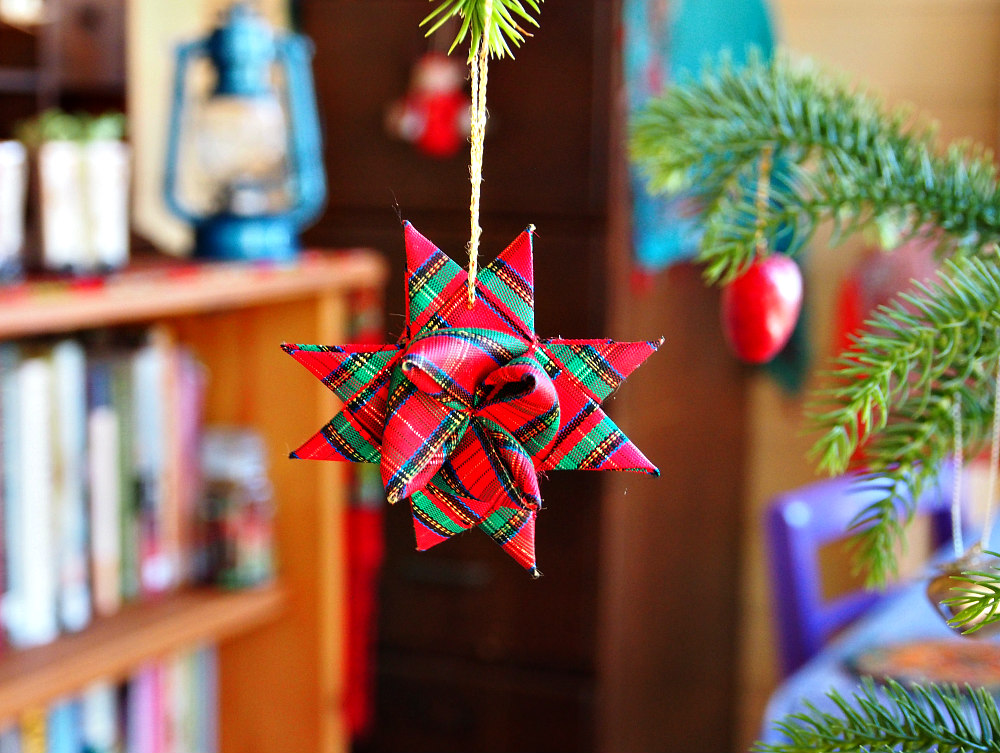
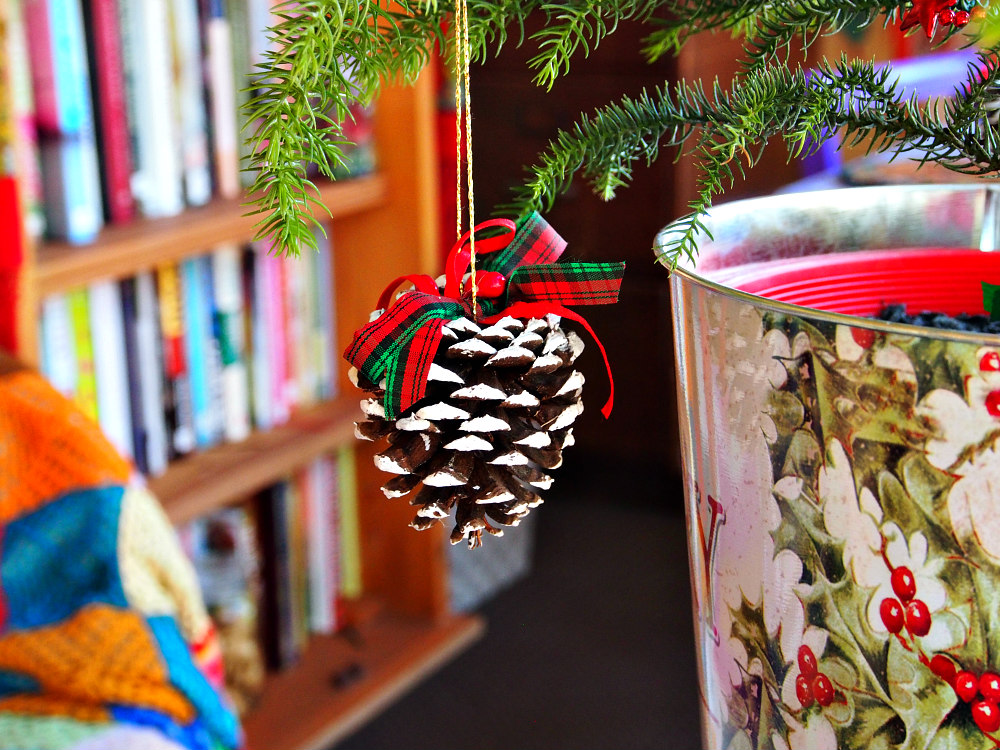
Creativity and deliciousness also help me feel like our little world is a bit brighter. Bear is of the same mind so we’ve been doing all sorts of projects that delight us. He’s been working on a beautiful medieval chair and a rather fabulous dagger with a fierce wolf’s head on the handle. I’ve been wood-burning and baking and hauling out favourite decorations to make my office extra cheery for Christmas.
For my birthday, Bear took me to Costco and got me a membership card. It may seem like a little thing, but to me, it is pure bliss. We had so much fun together wandering up and down the aisles finding all sorts of treasures from decadent French truffles and Italian cheeses to dried cherries, Scandinavian ginger biscuits, and a box set of Enid Blyton adventure stories. Every day since then has been made a bit brighter with a nibble of this and a smidgen of that as we sit on the back veranda with our cuppas and see who can spot the most interesting birds or the most kangaroos.
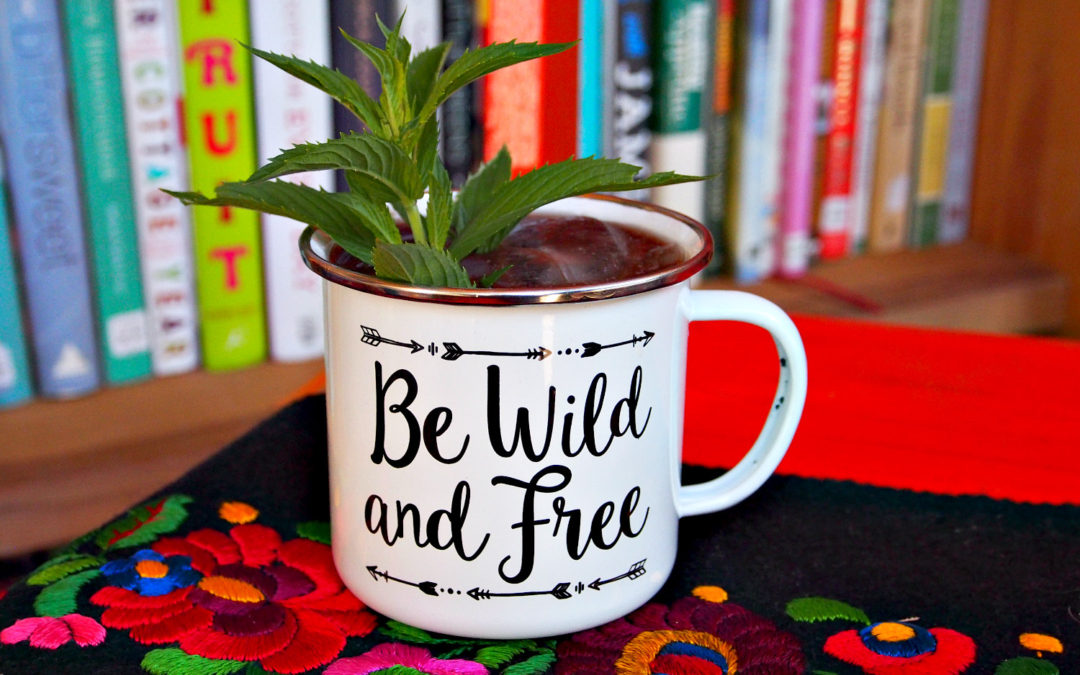
I’ve also been experimenting with herb-infused cocoas. I love hot cocoa for Christmas, but here it’s far too roasty-toasty for such things, so I’ve been making iced versions.
I’ve made lavender iced cocoa, rosemary iced cocoa, and, our absolute favourite, spearmint iced cocoa. It is so refreshing and fragrant and makes a blistering Australian summer day feel a whole lot closer to something resembling Christmas.
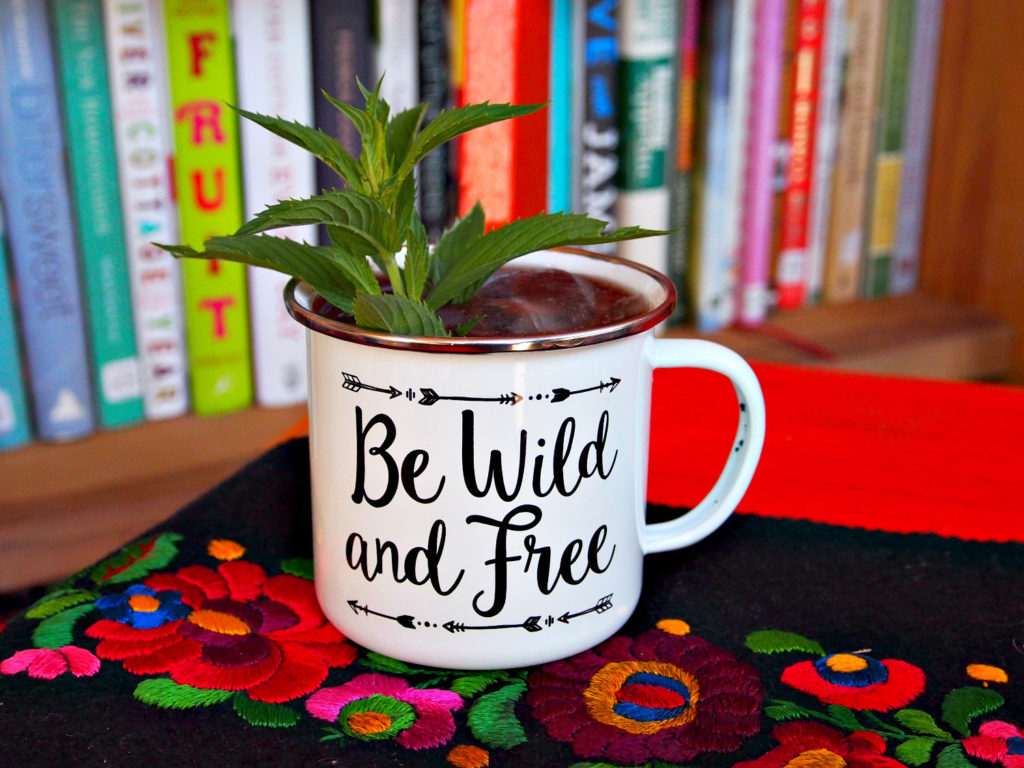
I use my treasured, Only-For-Special-Occasions Van Houten cacao powder because it is so luxurious and divine that it doesn’t need any milk and only a hint of sugar to bring out the flavours. And, since cacao is a natural mood elevator and anti-depressant, it is the perfect thing for cheering the spirits and giving a bit of oomph to the courage we need to face hard things and do a bit of rejoicing. xo
PS – if you like cacao powder as much as I do, you might also like my Dark Chocolate Cranberry Pudding or Dandelion Mocha.
Spearmint Iced Cocoa
(serves 2)
Ingredients:
- 2-3 cups water
- 2 Tbsp Van Houten cacao powder
- 2 tsp white sugar
- 2 large sprigs fresh spearmint leaves (2 tsp dried)
- ice cubes
- 2 small sprigs fresh spearmint leaves (garnish)
Directions:
- Place water in the kettle and put the kettle on to boil.
- While it’s heating, place cacao powder, sugar, and spearmint leaves in a heatproof container. When the water has boiled, pour over ingredients, stir well, and leave to cool.
- Place ice cubes in 2 cups, divide chocolate mixture evenly between them, stir well, top with fresh spearmint leaves and serve immediately.
by Krista | Nov 25, 2019 | Spring
My body has decided that in these hot months, getting up at 4 am is the best idea yet. And, to be honest, I think she may be right.
There is something quite magical about waking well before sunrise when our little world is dark and quiet and lusciously cool. At first all is still, nothing moving, and then, suddenly, as if with a deep, swelling breath, the wind begins to blow bringing in cold air from the fields and bush, rousing the birds from their slumber, whispering in the ears of sleeping animals, “It’s time to wake up!”
The goats and sheep ease themselves awake, working out the kinks from a night on the hard ground. The babies are the last to get moving, quite miffed that their hot water bottle mothers are no longer nestled beside them and keeping them warm from the brisk morning breezes.
The dogs are pure energy, leaping and galloping, barking in sheer delight at anything that moves, hurtling themselves at my legs for snuggles and pats.
I love watering my gardens in the dark, breathing in the scent of wet mulch and damp earth. I’m just able to make out the shapes of artichokes, purple beans, and fat green tomatoes and can see well enough to know that the hose I’m grabbing is indeed a hose and not a wriggling snake out hunting for mice. Although my main watering comes with the mid-day drip-hosing, truly the best innovation of the year for me, I like to give my plants a quick shower in the early morning, washing off all the dust and grime of the day before.
This morning we let the goslings out in the farmyard for the first time. In years past we let them out too soon only to have them picked off one by one by tawny frogmouths and other predatory birds. This year we put them in a big, secure pen with a swimming pool, feed, and loads of greens from my gardens until they were tall teenagers. Confident they were large enough to fend for themselves, I swung the gate open wide to the patch of grass I’ve been faithfully watering in preparation for this moment.
They loved it. The adult geese kept vigilant watch while the youngsters devoured tender green shoots of grass. When marauding magpies thought they’d join the party, they were chased off first by the grown-ups and then, when the younguns saw what was happening, all five of them too. I laughed heartily to see the bully magpies chased back to their nest by an irate gang of geese.
Once they were done feeding, the parents took them on a march around the farmyard, introducing the babies to the various water-troughs and reminding the dogs that if they even think of approaching the goslings, they will most certainly be pecked vigorously.
Once everyone is fed and watered and the herds put out to pasture, it’s coffee break time. We sit on the back veranda or the back steps, favourite mugs in hand, watching the finches, magpies, and galahs swoop and scour the ground for grubs.
This morning we discussed more ways to make our farm a haven for native birdlife. Bear has started building nesting boxes and special feeders while I set up birdbaths and water small patches of soil so they have somewhere to feed. While we are exceedingly mindful of using as little water as possible, we are equally mindful of the needs of the land and the wildlife.
Without patches of grass, there are no insects. Without insects, the birds have nothing to eat and they die. Without water troughs set out for the kangaroos, wallabies, wombats, and koalas, they die. Without keeping some trees and grass alive, the soil withers up completely and blows away and the land dies.
There must be life to keep life going.
Even when the rains do come, and they will come, I believe we must have restoration points to make the most of them. Areas of life and growth where the restoration of our land and animals can make a new start.
So we do what we can. It is so little in the grand scheme of things, but it brings us much joy and gives us something to focus on.
We’ve found the same to be true of ourselves. This year depleted us, body and soul. The drought and bushfires reflected the stress, anxiety, and pain we were facing each day. And as we learned how to thrive in the physical drought, it gave us lovely ideas for helping our inner selves thrive, regardless of the circumstances around us.
I also need restoration points. Areas of life and hope and growth that I nurture and protect so that as my health and strength return, I get to move forward from a place of established life.
Bear has been incredibly supportive in making these restoration points happen, from driving me to town to get drip hoses and drought-hardy plants to bringing home birdbaths and old tubs to fill with water.
One day he announced that he’d been secretly saving up for years to turn the back veranda into my very own office. A place where I could work and create and read and rest and recover surrounded by the things that bring me joy. He put in sliding glass doors so I could look out on our trees and animals and gardens. He put in air-conditioning so my Canadian self would no longer have to melt in unabashed misery 5 months of the year. And he scoured thrift stores and antique shops to find lovely old furniture with cubby holes to store all my treasures.
To say it means the world to me doesn’t begin to express how I feel. It still makes me cry when I see it. I can hardly believe it’s mine.
I love it out here so much. I cosy in here each morning to read and write, host my clients for afternoon meetings, and share it with Bear for breakfasts and lunches together every day. This past Sunday when it was wicked hot, we closed all the doors, turned on the aircon, and spent a gloriously lazy day reading, chatting, and treating ourselves to cold mango juice and After Eight chocolates. It has become a haven for us, a small oasis where we can just be.
Now we’re planning a similar place for Bear, turning one of the sheds into a man cave where he can have all of his beloved medieval gear on display, set up a desk to write the book he started, and have a cosy hangout for when our friends come over and they want a comfy place to work on chain maille, do medieval research, or relax with cold beers.
Restoration points. I love them. Places where we can restore ourselves well so we can face the world well and love our people well.
I especially love that we can make them anywhere. For the first time in the 44 years of my life, I have a space all my own, but before that, my restoration points were an old chair on the veranda, a straw bale in the hay shed, and a fallen log in the bush. I will always treasure them.
Where do you restore yourself? xo
by Krista | Nov 20, 2019 | Spring
With bushfires 30 km away and the drought continuing unabated, I have found much comfort and happiness in creating an oasis on our farm. Everywhere around us is crumbling dirt, dead grass, and air filled with dust and smoke, but here, in my gardens, it is shady, cool, and green.
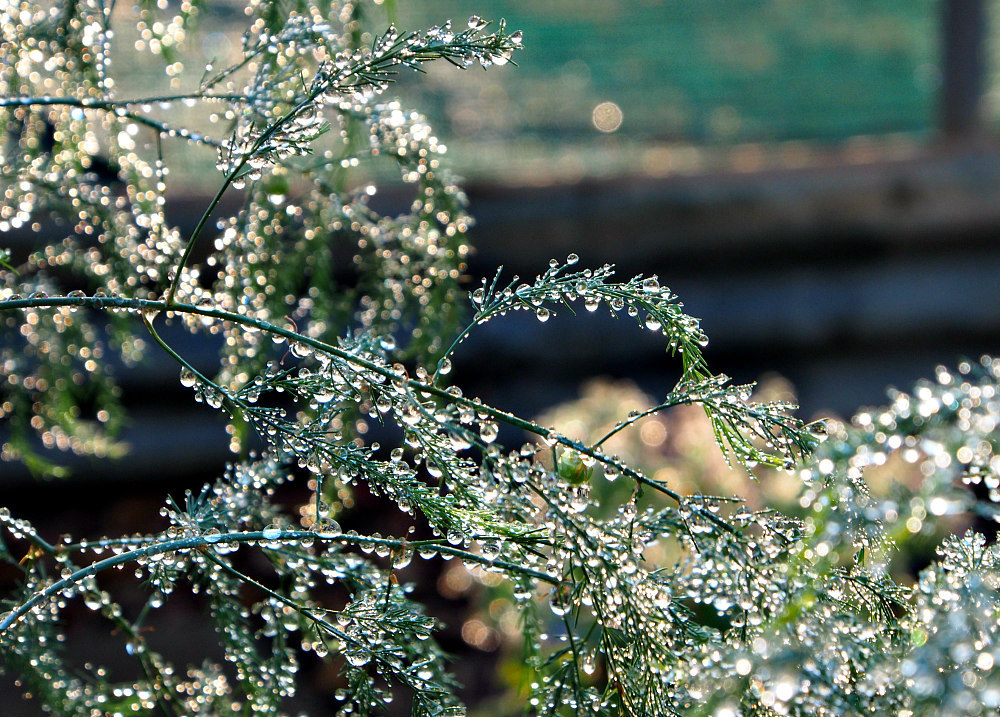
It’s especially wonderful before sunrise when all is dark, the drip hoses send a fine mist over the plants, and for a few precious moments, I can linger in a wonderland of thriving plants, scurrying lizards, and singing birds.
This morning I was out at 4 a.m., the dogs galloping happily around me as they dashed from one end of the farmyard to the other to check on the chooks, annoy the geese, and make sure the goats and sheep were in their yards. I didn’t mean to get up that early, but I woke myself yelling from a particularly bad nightmare. The experience left me rather wobbly, so I went out to water and wander in the gardens knowing that such things never fail to soothe rumpled spirits.
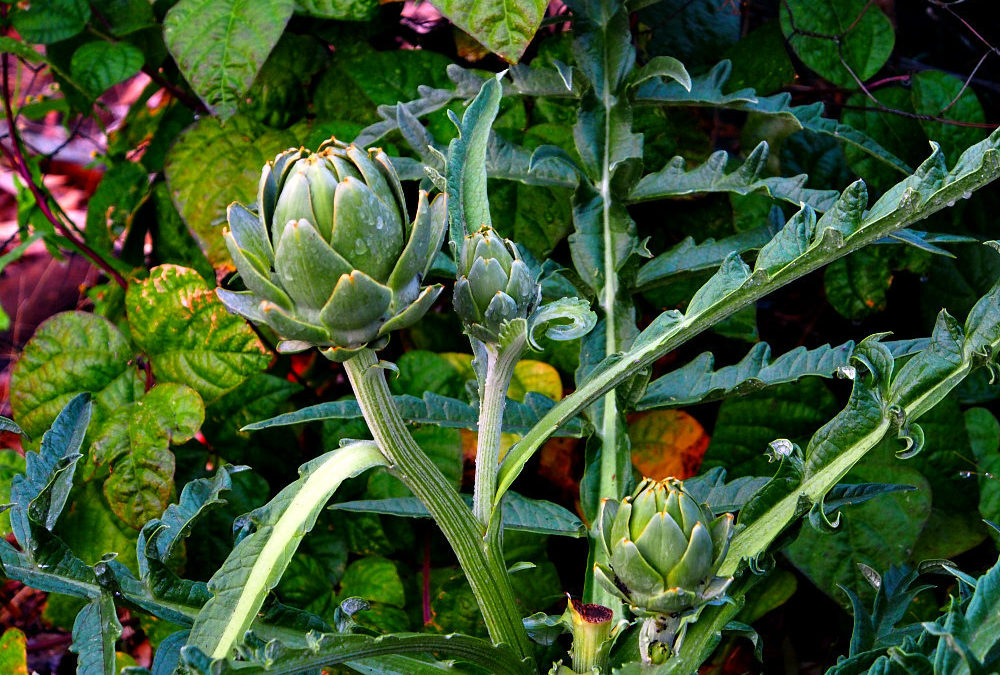
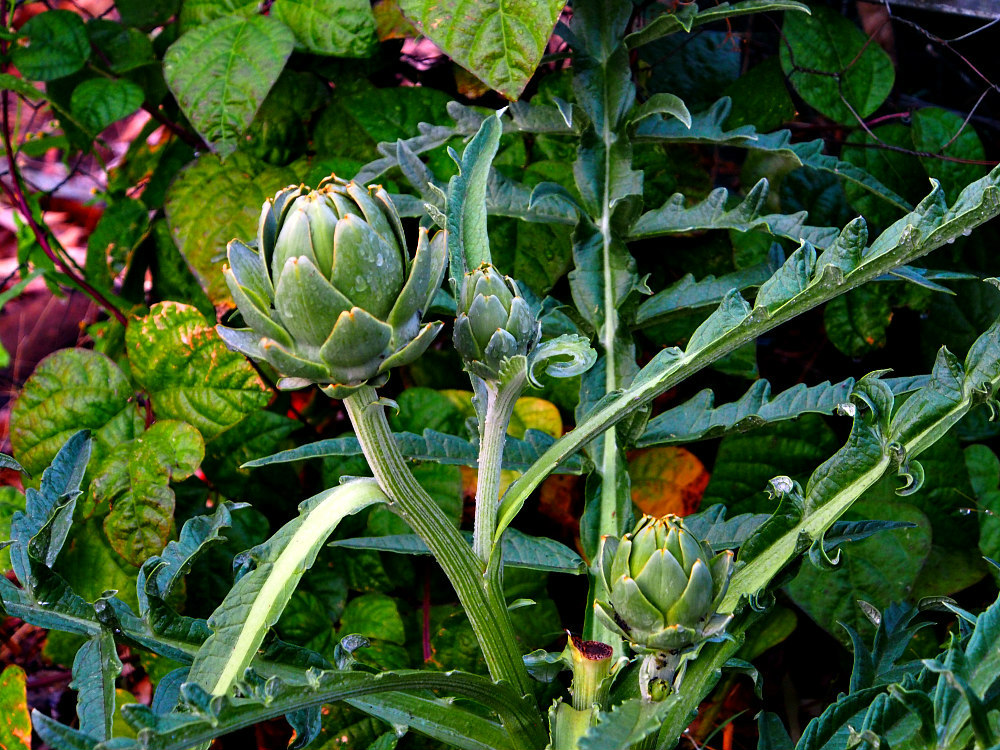
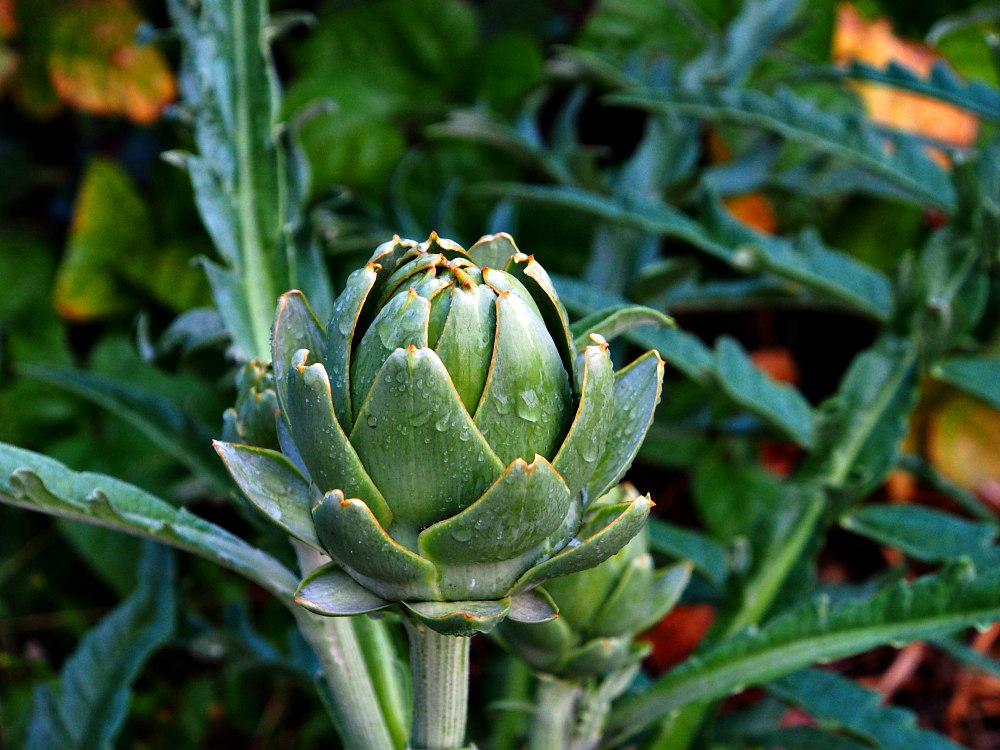
It was so beautiful and quiet. The rest of the world was sound asleep and I got to bask in the novelty of cloudy skies and no sun as I picked asparagus and cherry tomatoes and eyed the artichokes that I will harvest for lunch.
I found baby pumpkins with bright yellow flower hats, large ears of corn with gossamer tassels, red okra, purple beans, and leeks getting tall and sturdy again after the goats munched off their tops in a lightning raid they launched when I accidentally left the garden gate open earlier this week.
I refilled the water troughs for the goslings and before I was even finished they were in there splashing about and making a ruckus.
I returned to the gardens and smiled so big to find flocks of tiny fairy wrens swooping and dancing in the spray from the drip hoses and scurrying about under the beans, tomatoes, and capsicum looking for bugs to nosh on for breakfast. By putting out bowls and pots of water each day, our farm has become a haven for birdlife. Bear and I love sitting on the back veranda and watching so many different varieties stop by for drinks: pink galahs, vibrant rosellas and grass parrots, bright blue, lime green, and double bar fairy-wrens, willy wagtails (our favourites), magpies, crows, tawny frogmouths, kookaburras, and big white cockatoos. It is amazing.
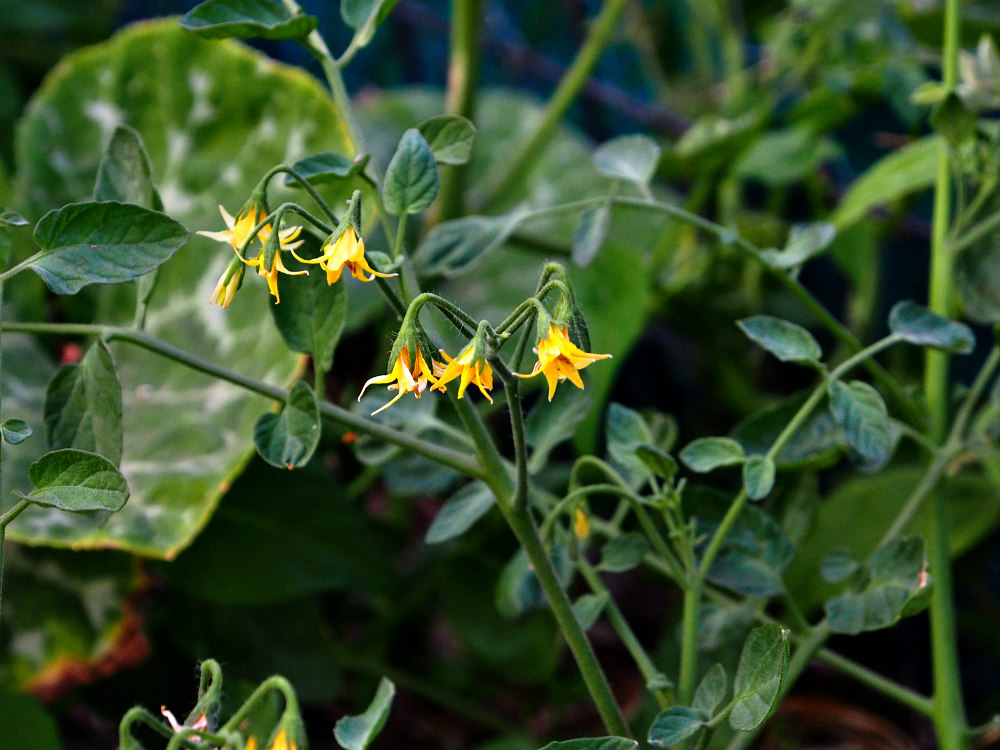
Soon the sun began to rise, eerie yet stunning as it slipped between layers of smoke and clouds. The plants glistened and shimmered, the dirt smelled wonderfully rich and mulchy, and the dogs were ready for their morning naps. I prepared the drip hoses for their mid-day duties, cuddled the dogs, then went inside to put the kettle on.
It’s going to be a good day. xo
by Krista | Nov 14, 2019 | Spring
“The world is indeed full of peril, and in it there are many dark places;
but still there is much that is fair,
and though in all lands love is now mingled with grief,
it grows perhaps the greater.”
J.R.R. Tolkien
I’ve been thinking about the land so much this year as drought ravages and bushfires destroy. Some days the grief of it all overwhelms me and I weep in sadness and frustration and fear. This week has been especially discouraging as the air fills with dust and smoke turning our eyes red and weepy, making our voices sound like we’ve been smoking for decades, giving us hacking coughs and runny noses. The wind howls across the paddocks withering the last of our grass and sending great clouds of dust billowing over the landscape. There’s no rain in the forecast, not for us, just hotter temperatures and endless dry days.
It can be overwhelming. I won’t lie. But that overwhelm, that discouragement and grief, it leads to something, to that glorious question that is at the beginning of every good thing worth doing:
What can I do?
I can’t do much on the grand scale of things. I have no money or power or influence to make sweeping changes to environmental policy. I can’t stop the bush fires or conjure up rain or infuse hope into dehydrated, dust-covered souls.
But we have 40 acres that we are responsible for. 40 acres where we can make a difference.
So we’re trying.
Bear started it all years ago by ensuring we had a deep bore and numerous rainwater tanks. He dug ditches and channels to make sure that every drop of water that falls here is collected and directed to places where it can be used well. In this land, water is life.
We practised rotation grazing with our herds of goats and sheep so that our paddocks weren’t eaten down to the roots. This has saved us. Even now our paddocks still have edible grass in them, without any irrigation, long after most paddocks in the region are dust.
We grow herbs like wormwood and mugwort and these keep our herds healthy and strong with little need for worming even in the worst drought in recorded history.
These are all good things, but going forward we need to do more to accommodate the changes in our climate: higher heat, less rain, fiercer winds.
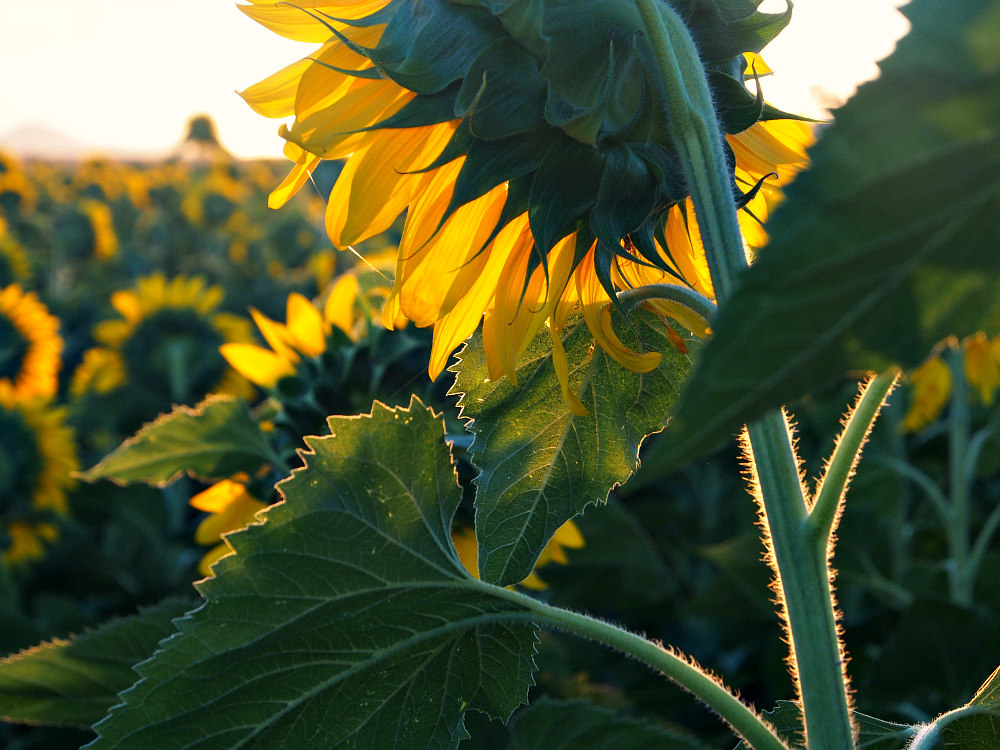
So I’ve been studying, a lot, seeking answers to so many questions:
How can we help our land be resilient in even the fiercest climate conditions?
How can we help our land thrive with little water?
How can we create a habitat where both our domestic animals and wildlife can flourish?
How can we grow food and medicinal plants in ways that are sustainable and productive?
This path of study has given me more hope and courage than I can express.
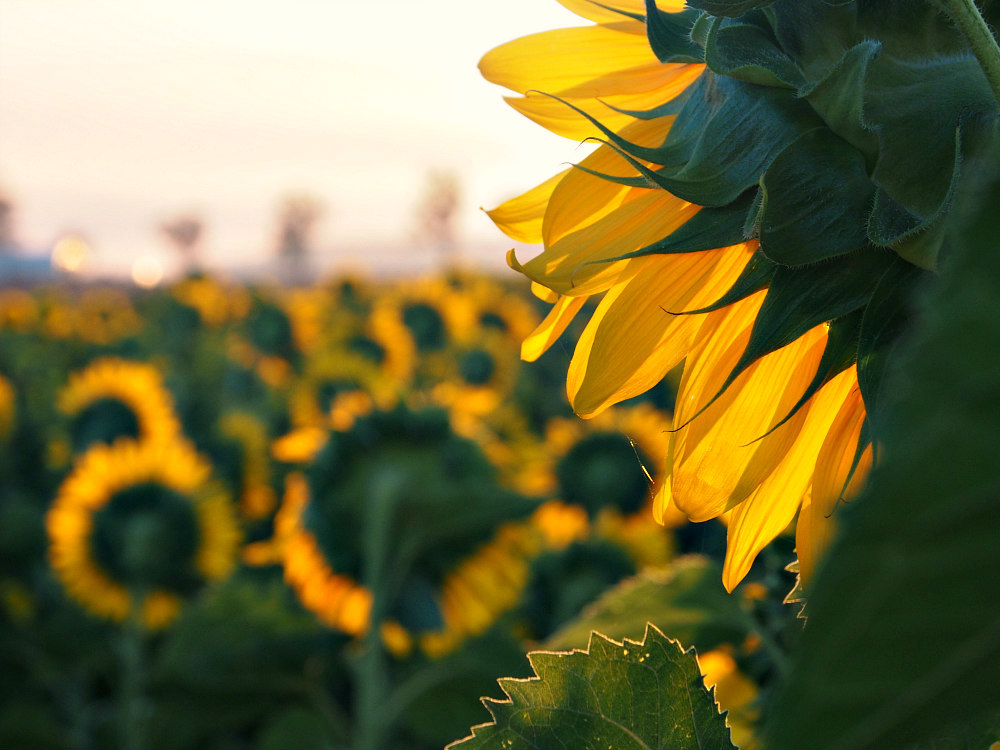
Two books, in particular, stand out as being incredibly helpful: Grown & Gathered by Lentil and Matt Purbrick and Dark Emu by Bruce Pascoe.
In the first, I was introduced to the revolutionary idea of watering gardens in the middle of the day. This has transformed my gardening. It is based on the idea that the purpose of watering is to help plants avoid stress. With traditional morning/evening watering, the plant is left to its own devices in the hottest part of the day, resulting in stress, wilting, and the need to constantly recover from stress instead of putting all its energies into production. When I first read this, my jaw dropped. It made so much sense and I immediately implemented it. Much to my delight, it has resulted in the healthiest, most productive garden I’ve ever had. I use less water, spend far less time watering, and my plants are strong, healthy, and productive, even in the searing heat, fierce winds, and utter lack of rain.
In the second, I had my Australian worldview turned on its head. It is a magnificent book shattering the myth of Aboriginal hunter-gatherer history and revealing their brilliant and wise land management skills that kept Australia lush, verdant and thriving. I have loved learning how they worked with the Australian environment instead of against it, finding ways to successfully grow crops, enrich the soil, harvest and store grains, vegetables, and meat without any of our modern conveniences. I am so excited to begin trying these methods on our property.
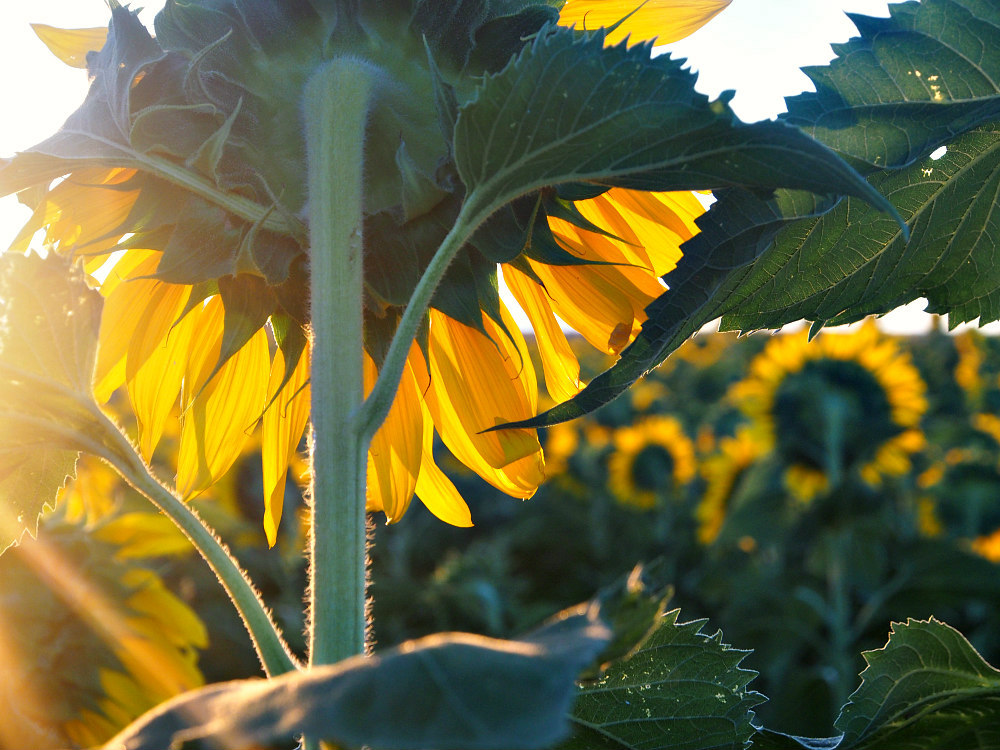
One amazing opportunity that has come out of the heinous weather we’ve had this year is the ability to observe our land, our gardens, our orchards. In spite of everything the weather has thrown at us, there are trees, plants, and herbs that are positively thriving without any water at all, and this has provided an excellent classroom for us to know what to plant in the future.
In our bush, gumbi gumbi trees are not just surviving, they’re reseeding themselves and new starts are everywhere. The Aboriginals used their leaves in tea as a medicine for centuries.
In our paddocks, the ground is parched and dry, but there’s still plantain growing bright green. The young leaves are beautiful as a salad green and are loaded with iron and other vitamins and minerals. You can also eat the young shoots and the seeds. With just a little bit of water, I also get purslane, dandelion, lamb’s quarters, and stinging nettles, all of which are edible and nutritious.
In our orchards, many of our fruit trees have died, but the olives, pomegranates, apricots, citrus, and quince are doing beautifully in spite of no water at all. This is due in part to us allowing the grass to grow around them rather than pulling it all out. This provides a natural ground cover and mulch, retaining water and keeping the roots cool.
In our gardens, the vegetables and herbs that thrive are those that do well in similar climates to ours: Italy, Spain, California. With daily drip watering during the hottest parts of the day, I have a steady harvest of artichokes, tomatoes, asparagus, chillies, and beans. Soon I will have eggplants and capsicums and later, pumpkins and corn.
As we look to the future, these are the things we will focus on planting and nurturing. Trees, plants and herbs that will help the environment, our land, and provide food for us, our animals, and local wildlife.
Things are dire here, but there is also hope. And I’m clinging to that. xo

_logo.svg)
